
1. Introduction
For truck drivers and business owners in the United States, following rules from the Department of Transportation (DOT) and the Federal Motor Carrier Safety Administration (FMCSA) is a key legal duty. It also helps keep everyone safe and holds people responsible. One important safety step is using reflective tape. This tape boosts how easy it is to see vehicles at night or when the light is dim.
This guide explains the DOT and FMCSA rules about reflective tape on trucks and trailers. It matters a lot for managers of truck groups, companies that import or export goods, makers of truck parts, and sellers who buy and sell in large amounts. They all need to make sure their trucks meet the safety rules set by the government.

2. Background on DOT and FMCSA Regulations
Why Reflective Tape Is Essential
Reflective tape acts as a simple safety tool. It helps make big vehicles stand out more in bad light or dark times. When drivers put it on right, the tape lets other drivers spot the length and shape of large trucks from far away. As a result, crashes happen less often.
Overview of Regulatory Bodies
The DOT watches over all ways people move around in the United States. It covers roads, rails, and more. The FMCSA works under the DOT. It focuses on trucks and buses used for business. The FMCSA gives clear directions on where to put reflective tape on these vehicles. The goal is to make roads safer for all.
3. DOT and FMCSA Reflective Tape Requirements
Placement of Reflective Tape
The FMCSA rules in 49 CFR 571.108 say that trucks and trailers for business must use reflective tape or special reflectors. They go to certain spots. For the back, two straight lines of red and white tape need to sit at the bottom back edges. On the sides, red and white tape alternate. It covers at least half the length of the trailer on each side. For the top back, a flat line of white tape goes at the upper edges. This applies if the trailer is wider than 80 inches.
Specific Vehicle Types
Various kinds of vehicles face different needs. Here is a simple list:
| Vehicle Type | Reflective Tape Requirement |
| Trailers ≥ 80 in | Rear, sides, upper corners |
| Semi-trucks | Rear and side outlines |
| Buses | If ≥ 10,000 lbs GVWR |
Tape Specifications
The tape has to match DOT-C2 rules for how well it reflects light, how it holds up to rain and wind, and how long it lasts. Key parts include colors, materials, and marks. Colors are red and white in turns, often 6 inches of white next to 6 inches of red. The material is a strong sheeting that reflects light well. It keeps working even after a while. Each piece needs a stamp or print that says “DOT-C2”.
Compliance by Vehicle Type
For instance, trailers pulled by semis and joined vehicles need markings along the full side length. Single trucks might just need tape on the back. It depends on how big they are and what they do.
4. Importance of Reflective Tape Compliance
Safety Benefits
When drivers apply reflective tape the right way, it greatly increases how visible trucks are at night. This cuts down on crashes from behind or from the side with big trucks and trailers. A report from the NHTSA showed that this tape can lower side crashes by as much as 29 percent.
Legal Benefits
If a vehicle breaks FMCSA rules on reflective marks, it might get stopped from driving. Or it could get a ticket during a check by the road. Sticking to the rules helps skip big fines. It also keeps the group of trucks running without stops.
Insurance Implications
Companies that sell insurance look at whether vehicles follow rules when they set prices. Trucks with the right reflective tools, like mudflap reflector plates or mudflap reflectors, might pay less for coverage. The reason is that they face fewer crash risks.
5. Consequences of Non-Compliance
Fines and Penalties
Not following FMCSA rules on reflective tape can lead to fines as high as $15,876 for each problem. For business owners, this adds up fast. During big checks on roads each year, many vehicles get taken out of use. Reasons often include wrong lights or no reflectors.
Increased Liability
In crashes where the light is poor, vehicles without proper tape might get blamed. Or they could owe more money in court. People hurt in the crash can say that the missing or worn tape helped cause it. This makes the case harder for the truck side.
Legal Cases and Precedents
Records show crashes that ended in death because of no good reflective marks. In some court fights, truck businesses had to pay because they did not keep up the safety gear required by law. These examples stress the need to follow rules closely.
6. How to Ensure Your Vehicles Are Compliant
Step-by-Step Guide to Compliance
- Purchase Certified Reflective Tape: Buy only tape that meets DOT-C2 standards for trucks and trailers.
- Ensure Proper Installation: Put the tape on smoothly and firmly in the spots it belongs.
- Regular Maintenance Checks: Look at the tape areas each time you service the vehicle. Swap out any that look dull or broken right away.
Choosing a Reliable Supplier
Pick a supplier you can count on. They help keep your trucks safe and legal without cutting corners on quality.
At US TRUCK GOAT, we focus on doing things well. We have helped the truck world with top-notch items and great help since 2000. Our truck fenders and parts come from careful work and attention.
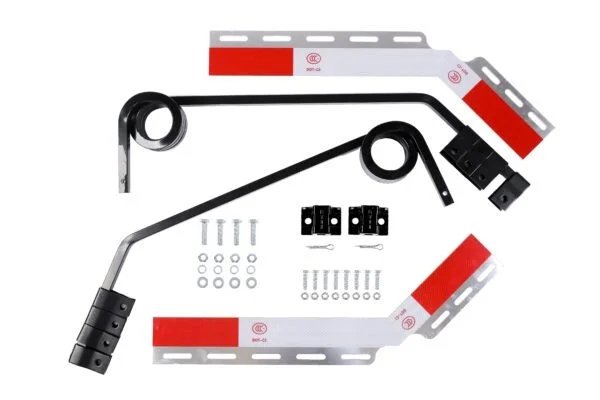
We sell special mudflap reflectors like these:
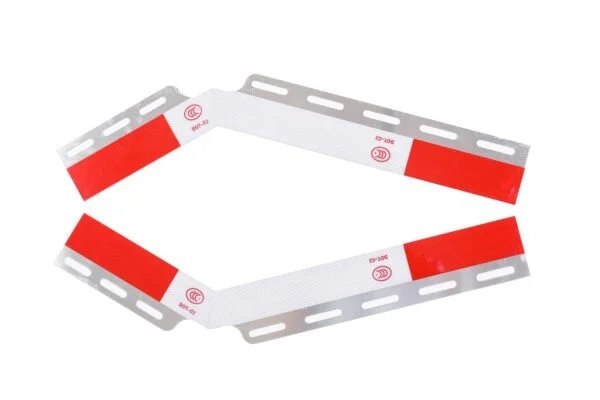
- Aluminum Alloy Reflector Plates for Trailer | SKU: XKJ-MFS-Q24AL
- Black Mud Flap Hanger Set with Reflector Tape | SKU: XKJ-MFH-03-1/8
- Pair of Angled Bar Truck Hangers with Reflector Plates | SKU: XKJ-MFH-Q3C
These sets of mudflap reflector plates work well for a long time, even on tough roads.
7. Common FAQs on DOT Reflective Tape Regulations
What is the difference between FMCSA-approved and non-approved reflective tapes?
Tapes approved by FMCSA fit the DOT-C2 rules for how they reflect, their colors, and how tough they are. Other tapes might not light up enough at night. They could lead to tickets if checked.
Can reflective tape be replaced with reflective paint?
No. The FMCSA wants exact retroreflective items that pass DOT-C2 checks. Paint does not meet those needs.
How often should reflective tape be inspected or replaced?
Check the tape at normal service times. Change it fast if it looks worn, split, or loose in spots.
Does the reflective tape requirement apply to private fleets as well as commercial fleets?
Yes. Any truck that moves goods across states or works under DOT rules must follow FMCSA guidelines. This includes groups owned by private companies.
How can I tell if the reflective tape on my truck meets DOT-C2 standards?
Look for a clear “DOT-C2” marking on each piece of tape. This ensures that the tape meets the standards for retroreflectivity, durability, and weather resistance set by the FMCSA.
8. Conclusion
Following the rules for reflective tape goes beyond just meeting a law. It is a big part of keeping roads safe for truck groups. Knowing how and where to use DOT-C2-approved items, such as mudflap reflectors or mudflap reflector plates, cuts down crash chances. It also skips legal troubles and might lower what you pay for insurance.
If you need lots of items or advice made just for you, our team is quick to help. Do not wait for a check to point out problems in your trucks. Act now to make sure everything follows the rules fully.
Work with US TRUCK GOAT to find strong quality, good prices, and real trust in a fresh way.

